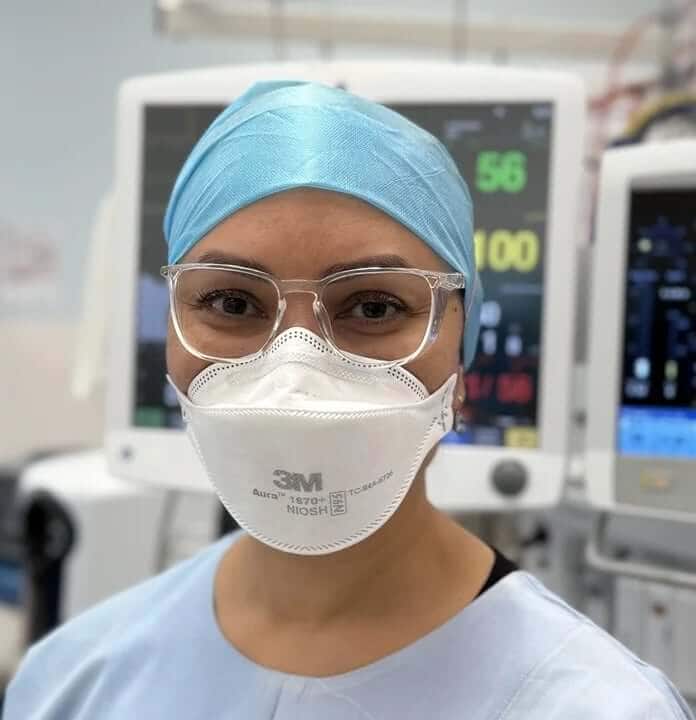
Why I Still Wear an N95: A Doctor’s Perspective
Dr Nancy Malek is a Senior Visiting Medical Officer Anaesthetist in Sydney, Australia. She is currently leading a research project exploring Australian anaesthetists’ experiences during the ongoing COVID-19 pandemic. She is actively involved in improving education around COVID and advocates for evidence-based airborne precautions in hospitals to safeguard both staff and patients. She believes that all doctors have a duty of care to understand the science of COVID.
Ever since January 2020, I’ve been extremely COVID-cautious.
That might seem strange, given that I live and work in Sydney, Australia—where, until mid 2021, we had relatively low community transmission compared to many other countries. But from the outset, I chose to take a precautionary approach. I saw doctors and healthcare workers dying overseas, and I didn’t want to risk my health—or my life—for my job.
Adopting that stance so early on, I quickly gained a reputation for being anxious and alarmist. Some colleagues even worried about my mental health.
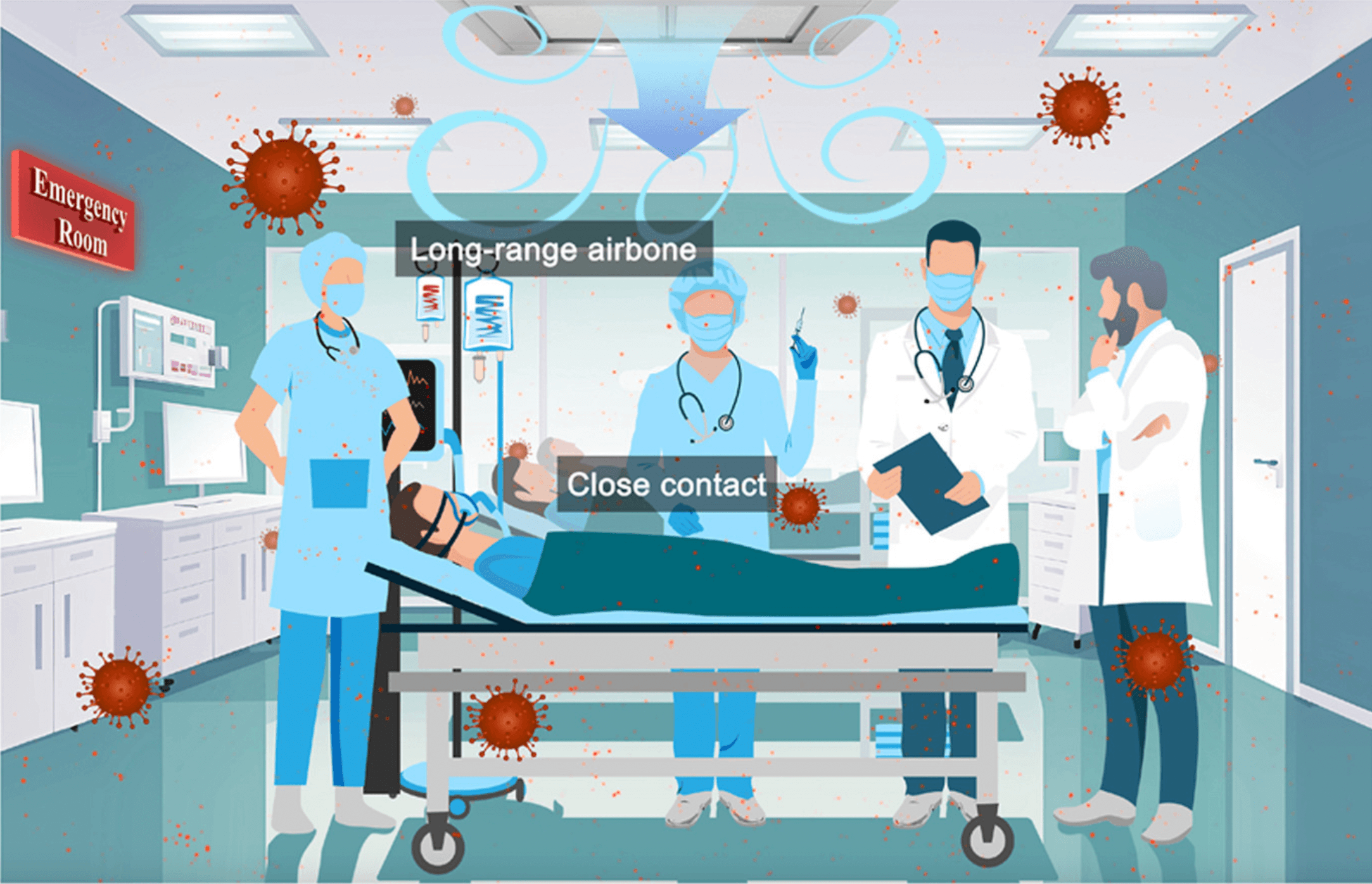
But in truth, I was preparing for the worst-case scenario. I assumed COVID was airborne, even when our hospital’s Infectious Diseases team insisted it was spread by droplets.
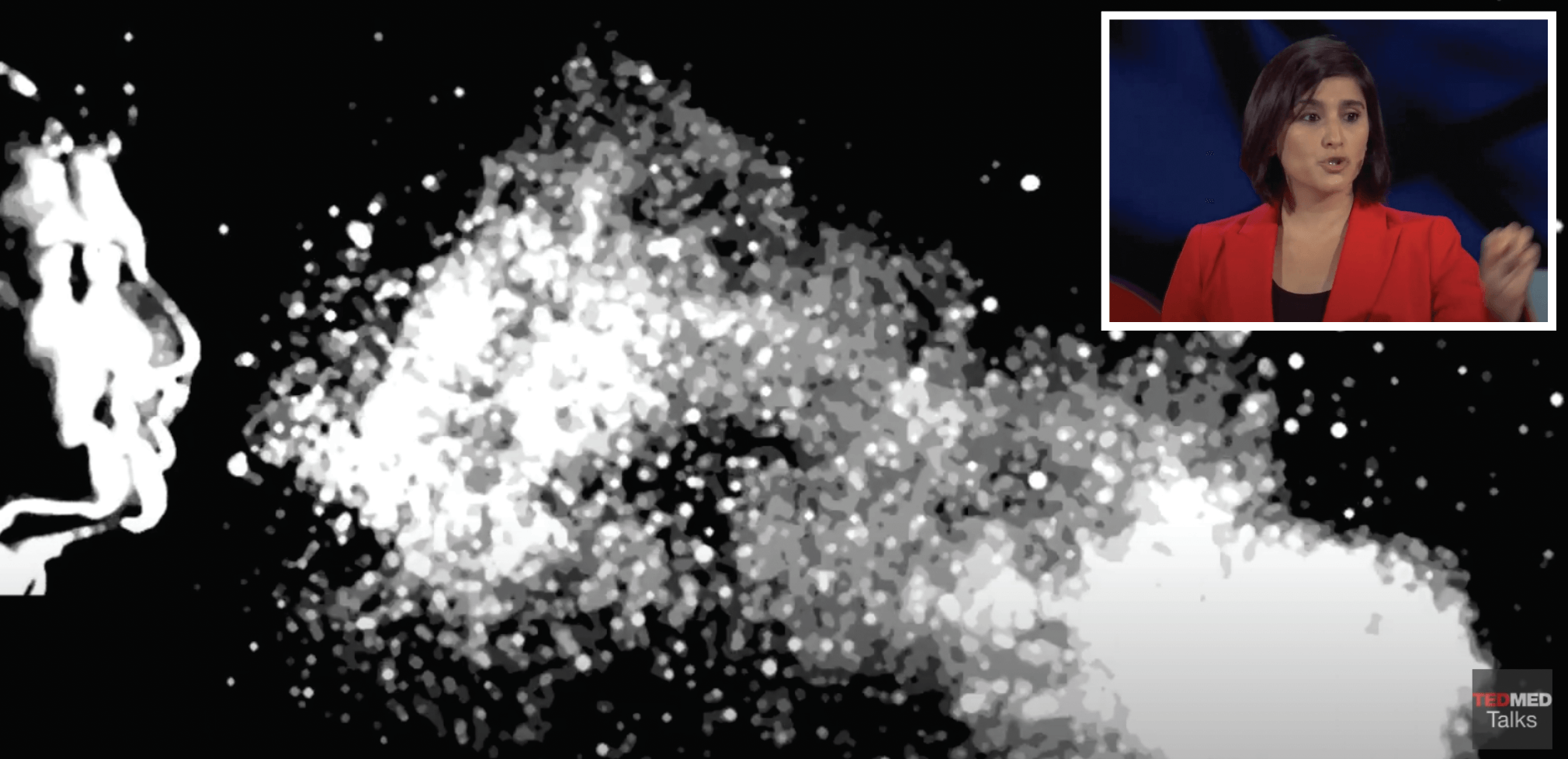
As an anesthesiologist, I was automatically at high risk. I regularly perform aerosol-generating procedures, which were recognized as dangerous from the beginning. Now we know that even breathing and speaking generate aerosols — but that wasn’t widely known at the time.
To be fair, my colleagues did take the situation seriously in the early months. We practiced donning and doffing of respirators and gowns and avoided touching our faces. For me, though, I saw COVID everywhere. While my colleagues removed their N95 masks once away from patients and sat shoulder to shoulder in the tearoom for lunch, I put my fit-tested N95 mask on in the hospital carpark and didn’t take it off until I was back in my car. These days, I take it off as soon as I step outside the hospital into the fresh air.
To this day, I keep my N95 mask on at all times. In other words, I don’t eat or drink during my shift. I pre-hydrate before leaving home and wait until I’m home in the evening to eat and drink again.
When I’m on call overnight, I bring a portable HEPA purifier for the on-call room—and sleep in an earloop P2 mask that I’ve also been fit-tested for.
At home, I take many precautions, too. I use three CO2 monitors, open windows to maintain airflow, run at least one HEPA purifier in every room, and use far-UV disinfection lamps. I believe that clean air starts in the home!
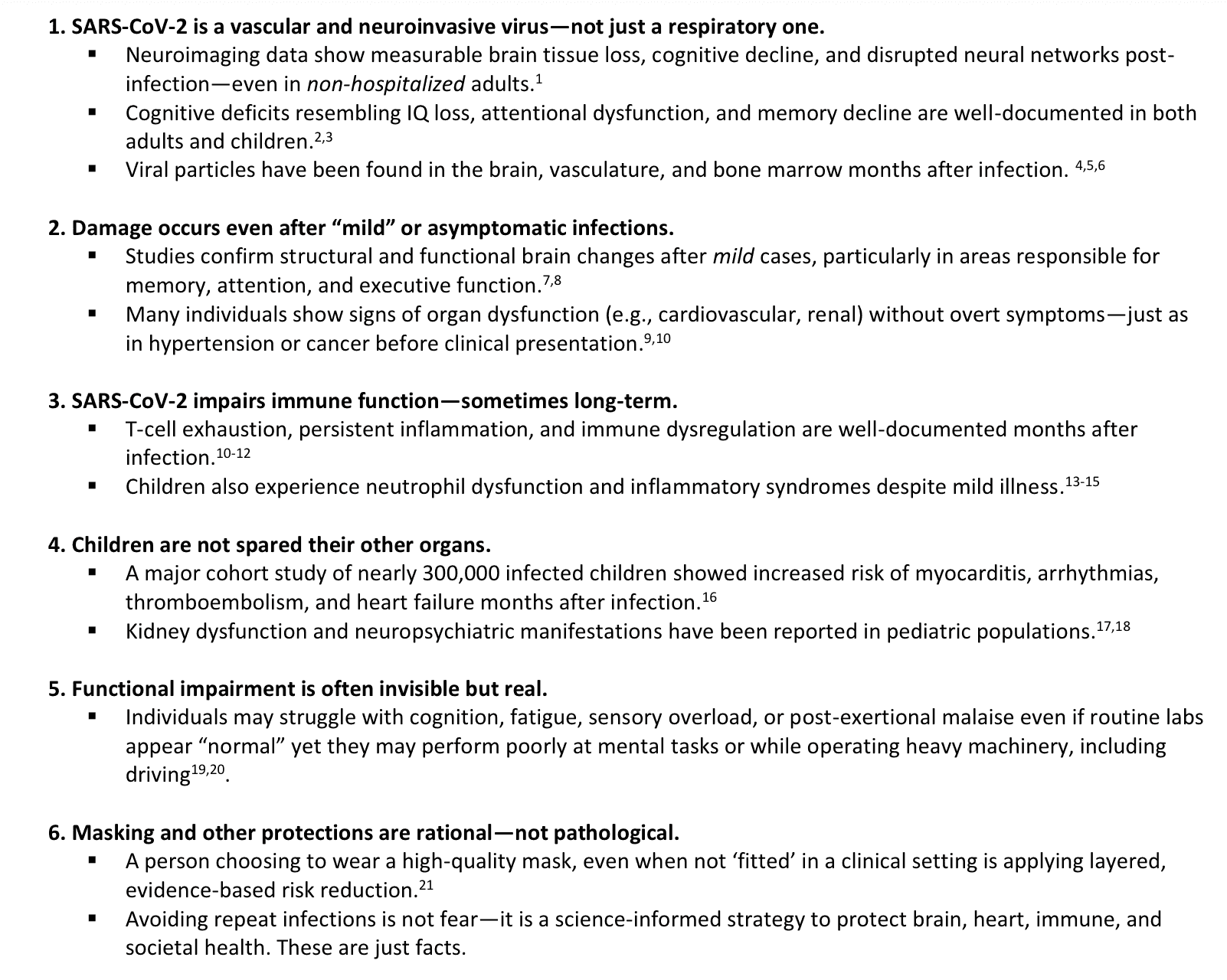
All of these precautions have kept me safe throughout the pandemic. In contrast, almost all my colleagues have contracted COVID at least once—some multiple times. Some of them even have Long COVID.
I continue to speak to my colleagues about COVID. I make it clear that I am following the science, yet most mistakenly believe that COVID no longer poses a threat—to their health or their patients’. Over time, I hope to change that. I’ll keep advocating, educating, and encouraging my colleagues to look at the evidence.
I believe all doctors have a duty of care to learn about COVID.
To read more from the World Health Network click on this link.