
Recovering After COVID-19: An Evidence-Based Guide to Care in 2026
Five years into the pandemic, our understanding of COVID-19 has changed enormously.
For most people, infection is now managed at home. Vaccination, antiviral medications and improved clinical care have significantly reduced the risk of severe disease.
Yet COVID-19 remains unlike many other respiratory viruses in one important respect: recovery doesn't always end when the acute infection does.
For some people, symptoms resolve within days.
For others, recovery may take weeks or months.
A smaller group develops what is now recognised internationally as Long COVID or Post-COVID Condition.
The encouraging news is that our understanding of post-COVID care continues to improve. While there is still no single treatment that cures Long COVID, there is growing evidence supporting strategies that reduce complications, improve recovery and help patients regain quality of life.
Phase 1: The Acute Infection (Days 1–14)
The goals during acute COVID-19 are straightforward:
Reduce the risk of severe disease.
Prevent complications.
Support recovery.
Reduce the likelihood of developing Long COVID where possible.
Rest and Recovery
The body's immune system requires significant energy to fight infection.
Current guidance encourages adequate hydration, nutrition, sleep and avoiding strenuous exercise during acute illness. Returning to intense physical activity too early may delay recovery, particularly in people experiencing ongoing fatigue.
Antiviral Therapy
For people at higher risk of severe disease, early antiviral treatment remains one of the most important advances since 2022.
When started within the recommended treatment window, antiviral medications reduce the risk of hospitalisation and there is growing evidence that they may also reduce the likelihood of developing Long COVID in some high-risk populations, although the protective effect appears modest and continues to be studied.
Vaccination
Vaccination continues to provide important protection against severe disease and also appears to reduce—though not eliminate—the risk of developing Long COVID following infection.
Phase 2: Early Recovery (Weeks 2–12)
Most people gradually improve during this period.
However, recovery is not always linear.
Many patients experience fluctuations in symptoms before steadily returning to normal health.
Listen to Your Body
One of the biggest changes in clinical advice over recent years concerns exercise.
Earlier in the pandemic, many patients were encouraged to "push through" fatigue.
We now know this approach can be harmful for some people—particularly those who experience post-exertional malaise (PEM), where physical, cognitive or emotional activity leads to a delayed worsening of symptoms. Current guidelines recommend screening for PEM and adapting rehabilitation accordingly.
Instead, clinicians increasingly recommend:
Gradual return to activity.
Energy conservation ("pacing").
Adequate rest between activities.
Individualised rehabilitation.
For people without PEM, carefully supervised progressive exercise may still be appropriate.
Phase 3: Long COVID
Long COVID refers to symptoms that persist or develop after the acute infection and cannot be explained by another diagnosis.
Symptoms vary enormously but commonly include:
Fatigue
Shortness of breath
Brain fog
Sleep disturbance
Palpitations
Loss of smell or taste
Chest discomfort
Headaches
Muscle pain
Dysautonomia (including POTS)
Anxiety and depression
No two patients experience exactly the same illness.
Modern Long COVID Care
The biggest shift has been away from searching for a single cure towards personalised, multidisciplinary management.
Comprehensive Assessment
Patients benefit from a careful evaluation to identify:
Cardiac complications
Lung disease
Autonomic dysfunction
Anaemia
Thyroid disorders
Sleep disorders
Nutritional deficiencies
Mental health conditions
Other conditions that may mimic or coexist with Long COVID
Not every persistent symptom is caused by Long COVID, and identifying treatable conditions remains an essential first step.
Pacing
One of the strongest practical recommendations for patients experiencing post-exertional symptom worsening is pacing.
Rather than attempting to increase activity regardless of symptoms, pacing encourages people to remain within their available energy limits while gradually expanding activity as tolerated.
For many patients, this approach reduces symptom "crashes" and supports more sustainable recovery.
Symptom-Based Treatment
There is currently no medication approved specifically for Long COVID.
Instead, treatment targets individual symptoms.
Examples include:
Optimising asthma or COPD treatment where appropriate.
Treating sleep disorders.
Managing migraines or headaches.
Addressing autonomic dysfunction with hydration, salt (where appropriate), compression garments and selected medications.
Cognitive rehabilitation for persistent cognitive symptoms.
Psychological support where required.
Treatment plans are highly individualised.
Promising Areas of Research
Long COVID research is progressing rapidly.
Large international programs—including the NIH RECOVER Initiative—are investigating treatments targeting inflammation, immune dysregulation, autonomic dysfunction, metabolism and persistent symptoms. Trials are evaluating interventions such as low-dose naltrexone, baricitinib, semaglutide and therapies for POTS, but definitive evidence is still emerging.
For now, most of these therapies remain investigational rather than standard care.
Preventing Long COVID
Perhaps the most effective strategy remains preventing infection in the first place.
Current evidence suggests risk can be reduced by:
Staying up to date with vaccination.
Early assessment for antiviral therapy when eligible.
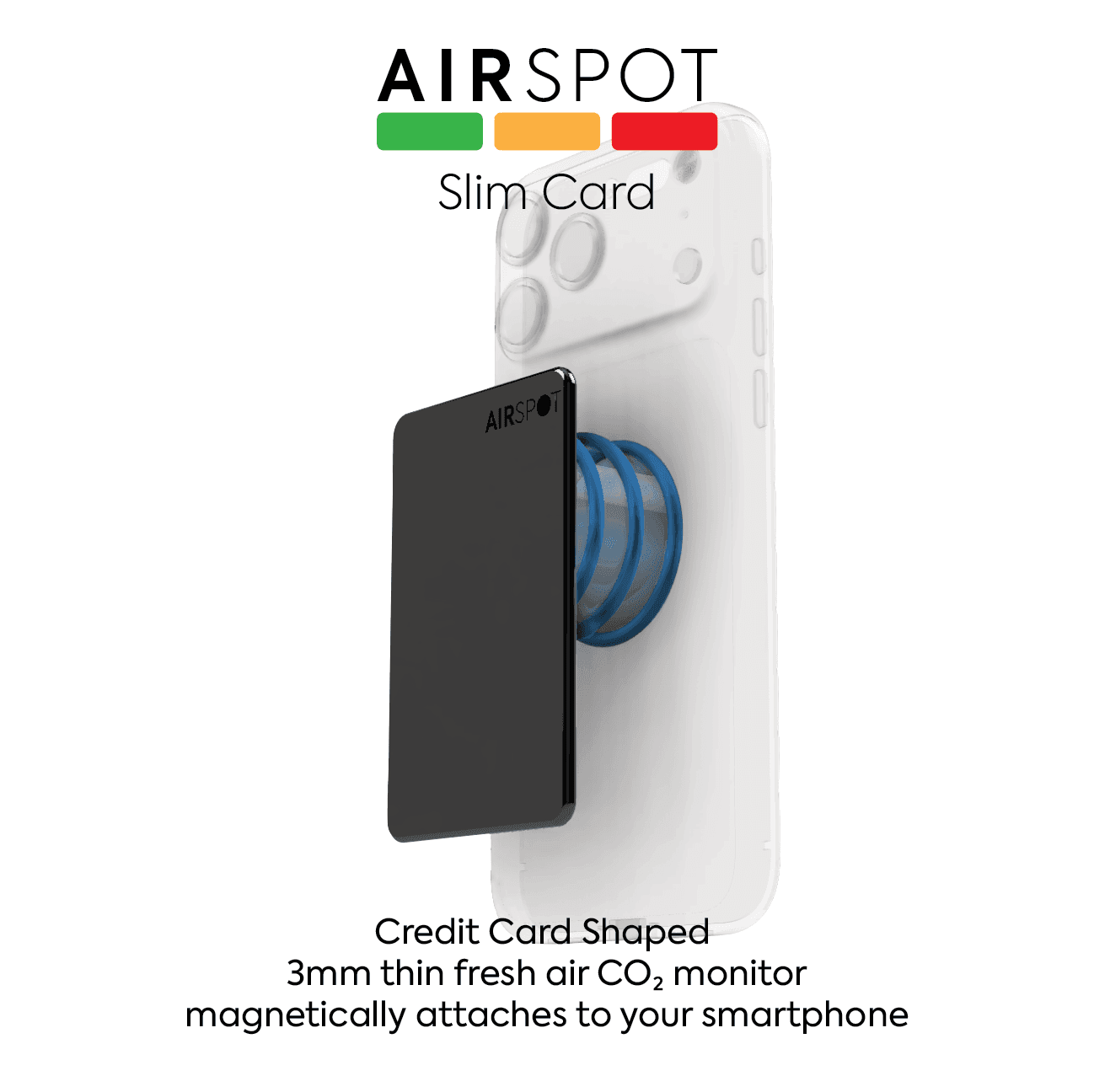
Improving indoor air quality.
Good ventilation.
Effective air filtration.
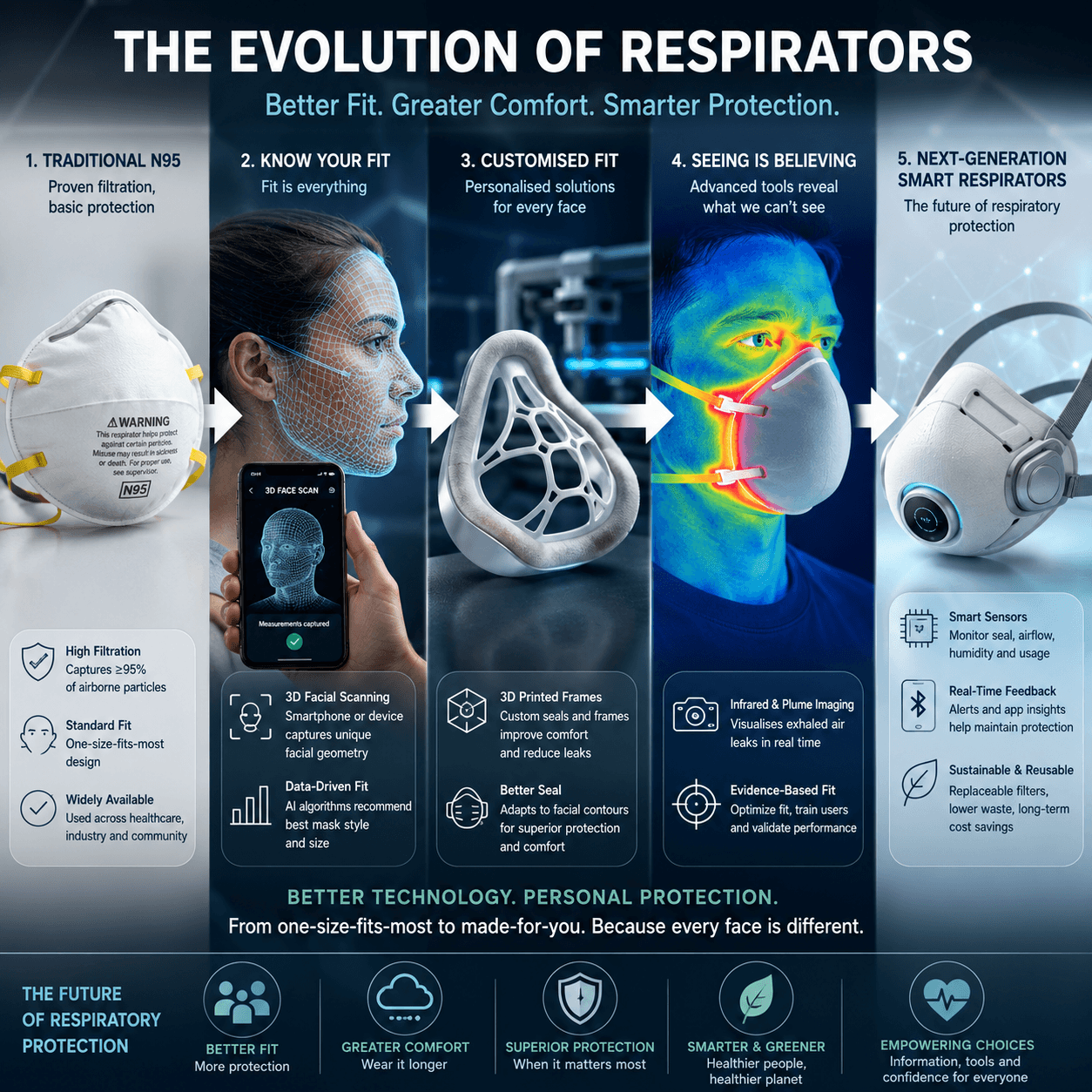
Wearing a high-quality respirator in high-risk settings when appropriate.
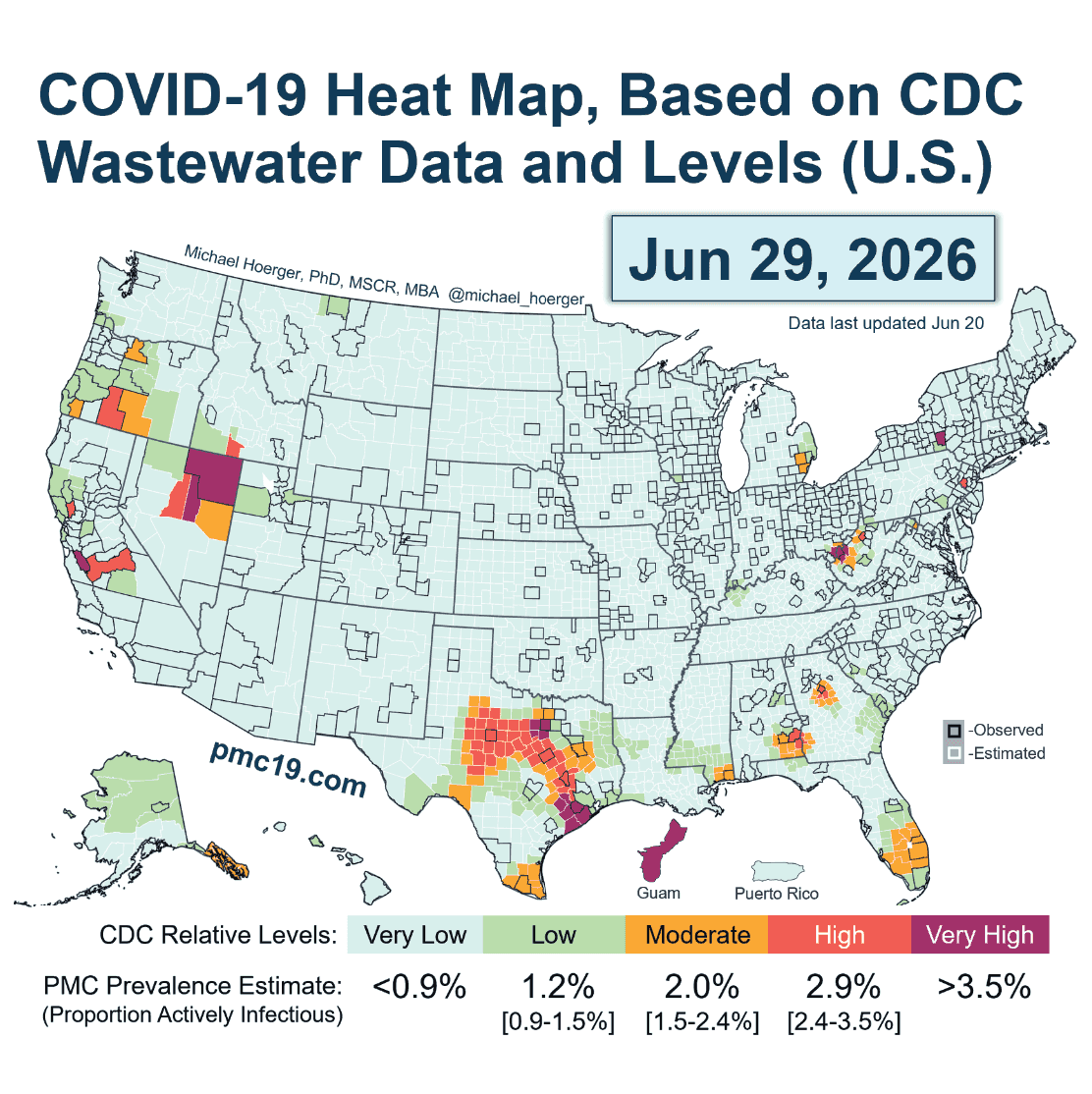
Avoiding exposure during periods of high community transmission.
Every prevented infection also reduces the possibility of developing Long COVID.
Looking Ahead
COVID-19 has changed how we think about recovery from viral illness.
Recovery is no longer viewed simply as surviving the acute infection.
Instead, clinicians increasingly recognise recovery as a continuum—from preventing severe disease, through supporting safe rehabilitation, to identifying and managing longer-term complications when they occur.
While much remains to be learned, today's approach is more evidence-based, more individualised and more hopeful than it was just a few years ago.
At ICAAN, we believe prevention and recovery go hand in hand.
Improving indoor air quality helps reduce infections before they occur.
Evidence-based clinical care helps optimise recovery when they do.
Together, these approaches represent two complementary pillars of healthier communities: reducing transmission and supporting those on the path back to health.