

Elite sporting organisations spend enormous resources optimising every aspect of athlete performance—from nutrition and recovery through to sleep, strength, conditioning and biomechanics.
One environmental factor, however, is often overlooked: the quality of the air athletes breathe indoors.
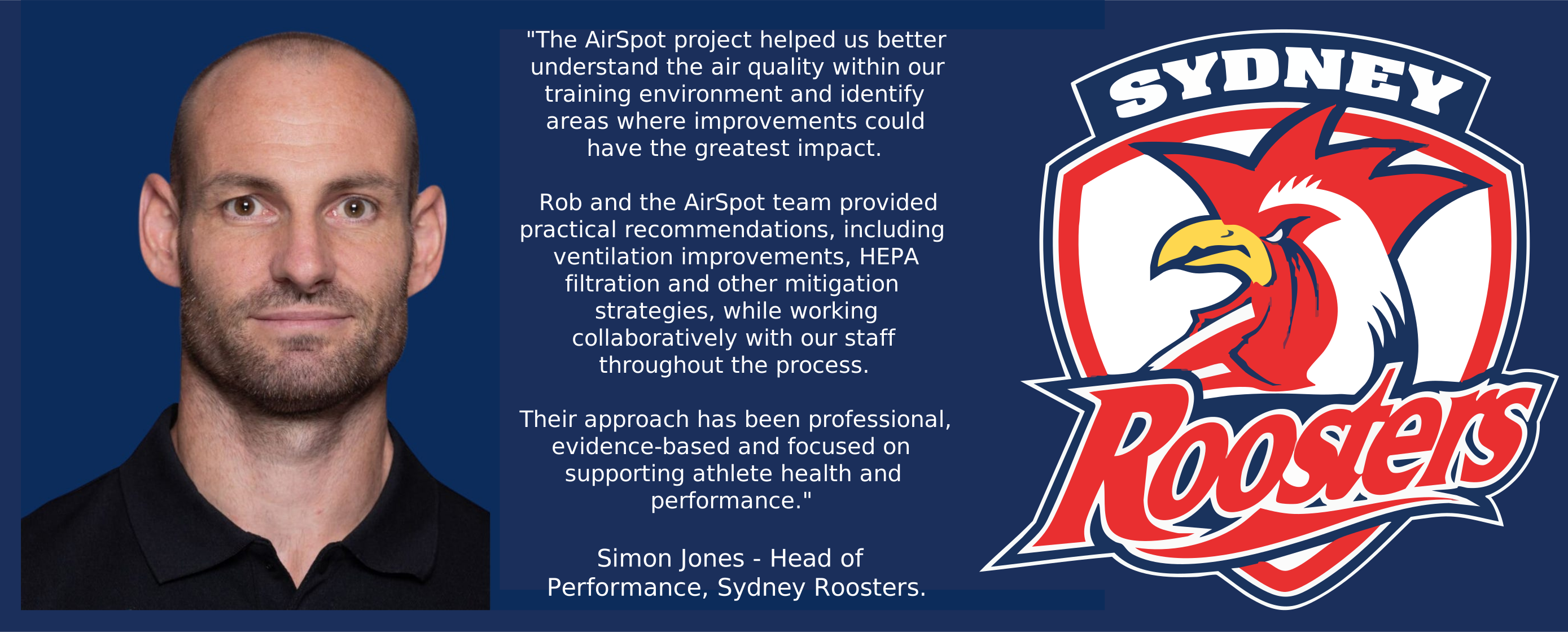
Over recent months, AirSpot has had the opportunity to work alongside the Sydney Roosters High Performance department to better understand indoor air quality across their training environment and identify practical opportunities to improve it.
Measuring Before Improving
Rather than making assumptions, we began by measuring.
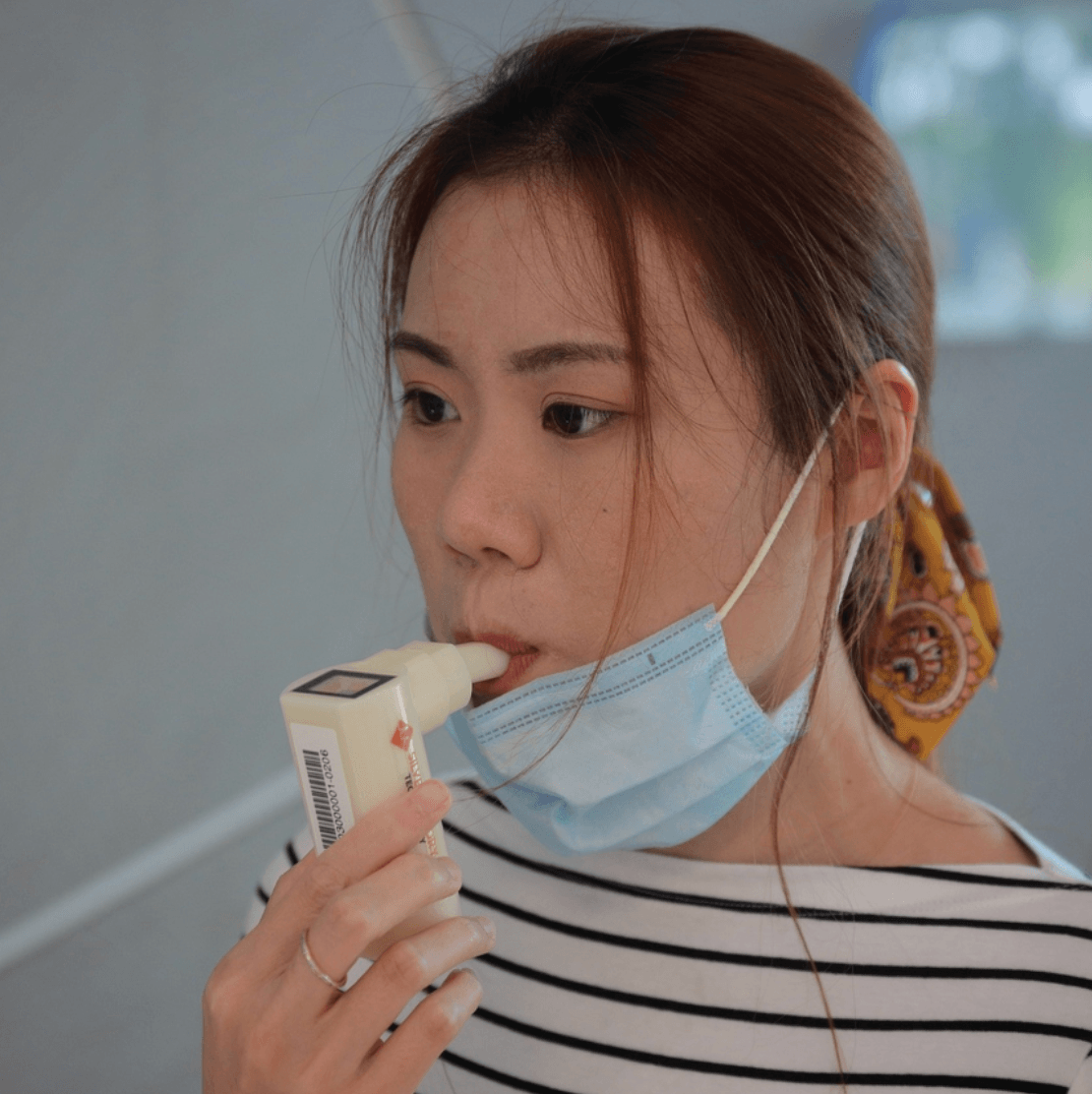
AirSpot wearable CO₂ monitors were deployed throughout the facility to identify areas where ventilation may benefit from improvement. Carbon dioxide is a useful real-world indicator of how effectively fresh outdoor air is replacing exhaled indoor air.
By collecting data across different rooms and at different times of the day, it becomes possible to identify which spaces may warrant further investigation.
Turning Data into Action
Once higher CO₂ areas were identified, the information could be shared with building engineers and HVAC specialists to investigate potential ventilation improvements.
This data-driven approach allows facilities teams to prioritise upgrades where they are likely to have the greatest impact, rather than relying on assumptions or expensive whole-building modifications.
Layering Indoor Air Quality Interventions
Ventilation is only one part of the solution.
Where appropriate, additional interventions can be introduced to further improve indoor environmental quality, including:
Portable HEPA air filtration
Upper-room or ceiling-mounted Far-UVC technology
Ongoing air quality monitoring
Continuous data collection to assess the effectiveness of interventions over time
Rather than viewing these as competing technologies, they can be combined as complementary layers to help create healthier indoor environments.
Why Elite Sport Is an Ideal Environment
Professional sporting organisations are uniquely positioned to lead innovation.
Athlete availability is critical. Even relatively minor respiratory illnesses can interrupt training blocks, reduce preparation time or affect performance.
Improving indoor environmental quality may therefore provide benefits extending beyond comfort—including supporting healthier training environments for athletes, coaches and staff.
A Growing International Trend
The Sydney Roosters are not alone in exploring these technologies.
Professional sporting organisations internationally are increasingly investigating advanced indoor environmental strategies.
For example, the Miami Dolphins have recently implemented 222 nm Far-UVC technology throughout key areas of their training facility as part of their player health programme. According to the published case study, the installation provides continuous environmental sanitisation while occupied and complements existing infection control practices.
As research and real-world experience continue to grow, it is likely that elite sporting facilities will increasingly view indoor air quality as another component of high-performance infrastructure.
Looking Ahead
This collaboration has demonstrated how relatively simple environmental monitoring can help identify opportunities to improve indoor spaces.
We are grateful to the Sydney Roosters High Performance team for their willingness to explore innovative approaches and provide valuable feedback throughout the process.
As AirSpot continues to develop wearable monitoring technology, cloud analytics and indoor environmental mapping, we look forward to supporting more organisations interested in creating healthier, better-performing indoor environments.
If you'd like to read more about how AirSpot can help in Elite Sport then please click on the link here: AirSpot Elite Sport