
Aged care UV light trial reduces infections
A Flinders Health and Medical Research Institute and SAHMRI world-first trial has found germicidal ultraviolet appliances in aged care facilities have the potential to reduce tens of thousands of viral respiratory infections among residents each year.
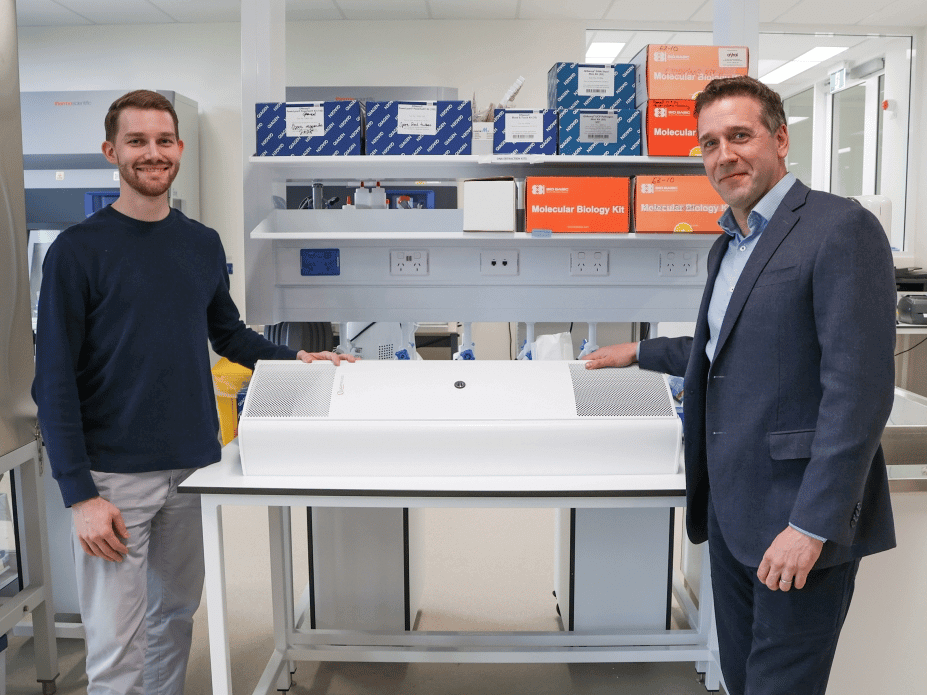
Eldercare and Helping Hand are among aged care providers whose homes in metropolitan and rural South Australia have joined a successful two-year trial of simple technology that harnesses ultraviolet light to zap airborne viruses.
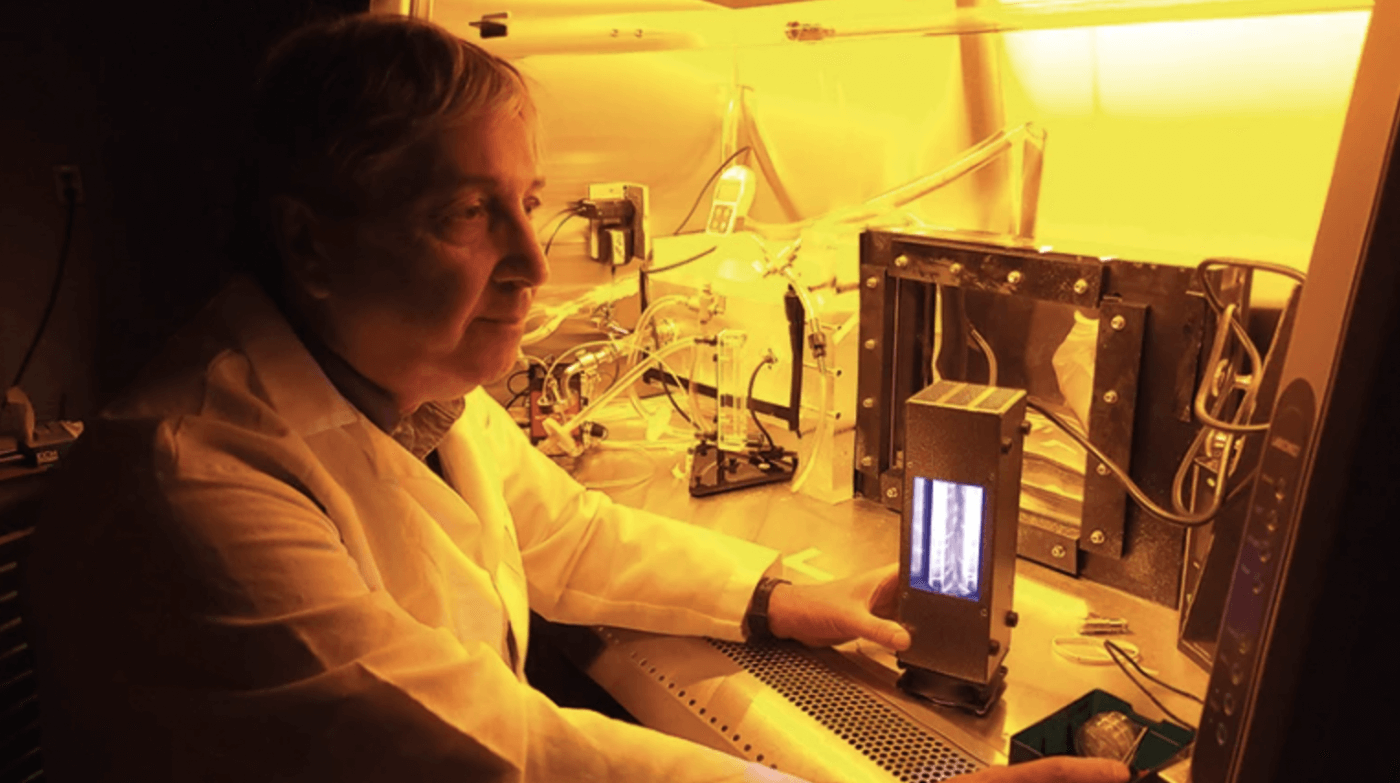
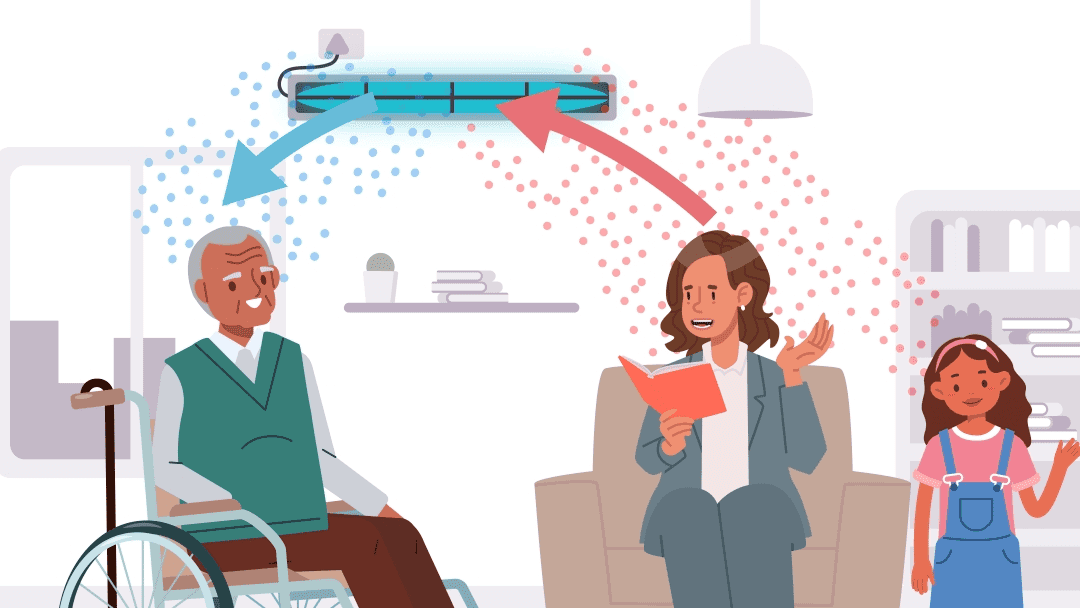
Scientists from Flinders Health and Medical Research Institute and South Australian Health and Medical Research Institute adapted commercial germicidal ultraviolet appliances that purify the air with UV-C light rays and deactivate harmful micro-organisms like viruses and bacteria.
The appliances were trialled in four aged care homes in communal areas, where the transmission of airborne viruses is usually greater, between August 2021 and November 2023 over seven consecutive cycles. The researchers found reduced rates of viral respiratory infections by more than 12 per cent overall, according to the study published in JAMA Internal Medicine on 29 July.
The randomised clinical trial compared the same environments with and without the appliances tracking infection rates over two years, said the paper’s lead author Dr Andrew Shoubridge from Flinders University and SAHMRI’s Microbiome and Host Health Program.
“While the appliances didn’t seem to lower infection rates during short study periods, they did help reduce overall numbers of respiratory infections by 12.2 per cent, or roughly 0.3 fewer cases per week,” he said.
“This means GUV technology could make a noticeable difference in protecting people in aged care facilities, especially when we consider there are 250,000 Australians currently living in them.”
In an article for the forthcoming edition of Australian Ageing Agenda magazine, Dr Shoubridge and the study’s senior author, Professor Geraint Rogers, share this 12 per cent reduction “translates to about 92 fewer infections for every 1,000 residents each year.”
“Since these infections can make aged care residents three to nine times more likely to be hospitalised and nine to 11 times more likely to die, this reduction could significantly improve health outcomes,” they write for AAA.
Aged care facilities involved in the trial include Barmera Health Service Residential Aged Care Facility, Helping Hand’s Lightsview Residential Care Home and Golden Grove Residential Care Home and Eldercare’s Allambi Residential Care Home.
The key advantages of germicidal ultraviolet air-treatment appliances include they are easy to install into existing facilities and cost effective to use, Dr Shoubridge said.
“When used in conjunction with existing infection control measures, they could be transformative in reducing rates of seasonal respiratory viral infections and protecting residential aged care facilities against emerging pathogens.”
Professor Rogers, who leads SAHMRI’s Microbiome and Host Health Program, conceived this world-first trial and technology adaptation to reduce the impact of “absolutely devastating” outbreaks among older people.
“Our study aimed to explore new ways in which to protect aged care residents from harmful outbreaks of viruses, including Covid-19, without disrupting their day-to-day activities,” Professor Rogers said.
“Based on our findings, it’s difficult to see why you wouldn’t install these appliances in aged care facilities.”
To read more click on this link: https://www.australianageingagenda.com.au/clinical/aged-care-uv-light-trial-reduces-infections/